Ayurvedic Therapies
Abhyanga
Abhyanga Therapy
Abhyanga is a traditional Ayurvedic full-body oil massage that helps relax the body, calm the mind, and restore balance. Warm herbal oils are gently massaged into the body to reduce stress, improve circulation, nourish the skin, and promote overall wellness.
Benefits: Helps relieve stress, relax muscles, improve blood flow, support better sleep, nourish the skin, improve digestion, and boost energy levels.
Avoid If: Not recommended during pregnancy, menstruation, fever, cold, indigestion, diarrhoea, or extreme fatigue.
Basti
Basti
Basti is a therapeutic procedure in which medicated oils or herbal liquids are gently introduced into the colon through the rectum to help cleanse the lower digestive tract and support the removal of accumulated waste. It is commonly used to promote internal balance and improve intestinal health.
Benefits: Basti is believed to help restore harmony in the body by supporting healthy bowel function and nourishing beneficial gut bacteria. It is often recommended for conditions such as chronic constipation, lower back discomfort, sciatica, joint stiffness, gout, arthritis, and certain neuromuscular issues. It is also valued for helping manage some stress-related physical conditions.
Contraindications: This therapy is generally avoided during pregnancy and menstruation, as well as in individuals experiencing diarrhoea, anal inflammation, rectal bleeding, or other acute rectal disorders.
Bidalaka
Bidalaka
Bidalaka is a traditional Ayurvedic eye therapy in which a specially prepared herbal paste is gently applied over the closed eyelids, while keeping the eyelashes uncovered. The paste is left in place for a specific duration and thickness as recommended by the practitioner.
Benefits: This treatment is commonly used to support eye health and may help relieve conditions such as dryness, redness, irritation, excessive watering, eye strain, and discomfort caused by prolonged screen use. It is also traditionally recommended for certain vision-related concerns, inflammation, and weakness of the eyes.
Contraindications: Individuals who are prone to dizziness or frequent giddiness are generally advised to avoid this therapy or undergo it only under proper supervision.
Dhanyamla Dhara
Dhanyamla Dhara
Dhanyamla Dhara is a traditional Ayurvedic therapy in which a warm, fermented herbal liquid is continuously poured from a suspended vessel over specific areas of the body. It is mainly used to ease discomfort, stimulate circulation, and support healing in affected regions.
Benefits: This treatment may help improve blood flow, refresh the body, and strengthen overall vitality. It is often used as supportive therapy for conditions such as neurological disorders, arthritis, spondylitis, rheumatism, asthma, fibromyalgia, cervical stiffness, and weight management concerns.
Contraindications: Dhanyamla Dhara is generally not recommended for individuals who are injured, extremely tired, feverish, or have open wounds. The liquid should not be applied to sensitive areas such as reproductive organs or the neck, and it is meant only for external therapeutic use under professional guidance.
Dhoomapaana
Dhoomapaana
Dhoomapana is a traditional therapy involving the inhalation of medicated herbal smoke through the nose or mouth, while the smoke is released only through the mouth. It is usually prepared by burning herbal powders or pastes wrapped in cloth or placed on a suitable medium to generate therapeutic fumes.
Benefits: This practice is commonly used to support relief from ear, nose, and throat discomfort. It may help reduce symptoms associated with earache, sinus congestion, heaviness in the head, cough, breathing difficulty, rhinitis, unpleasant odour from the nose or mouth, headaches, migraine, eye discomfort, excessive sleepiness, and certain respiratory concerns. It is also traditionally considered useful for promoting clarity and freshness in the upper respiratory passages.
Contraindications: Dhoomapana is generally not recommended for individuals experiencing severe breathing difficulty, active asthma episodes, or a tendency toward nausea and vomiting.
Ela Kizhi
Ela Kizhi
Ela Kizhi is a traditional heat therapy that uses bundles of medicinal leaves to promote sweating and relieve discomfort. In this treatment, selected herbal leaves are warmed or lightly fried in medicated oils, then wrapped into small cloth pouches. These warm pouches are applied to the body with rhythmic movements such as pressing, tapping, and gentle massaging over affected areas. It is commonly used for problems related to bones, joints, muscles, and the nervous system.
Benefits: Ela Kizhi may help improve blood circulation, reduce stiffness, relax muscles, support joint mobility, enhance skin tone, and increase muscle strength. It is often used for easing pain and promoting overall physical comfort.
Contraindications: This therapy is generally avoided in people with skin allergies, uncontrolled high blood pressure, varicose veins, deep vein thrombosis, fever, highly sensitive skin, diabetes-related complications, and during pregnancy.
Gandusha
Gandusha
Gandusha, commonly referred to as oil pulling in Ayurveda, is an oral cleansing practice that involves holding or swishing oil in the mouth, usually on an empty stomach. This method is traditionally used to support oral hygiene by helping remove impurities, bacteria, and unwanted microorganisms from the mouth, teeth, gums, and throat.
Benefits: Gandusha is believed to promote oral detoxification and improve the overall cleanliness of the mouth. It may support healthier gums, fresher breath, and a cleaner tongue while also benefiting the ear, nose, and throat passages. Traditionally, it is used as supportive care for conditions such as sinus congestion, headaches, throat irritation, common cold symptoms, nausea, reduced appetite, and certain respiratory concerns.
Contraindications: This practice is generally not advised for very young children below five years of age, individuals with laryngeal paralysis, or those experiencing upward internal bleeding or similar serious conditions.
Griva Vasti
Griva Vasti
This Ayurvedic pain-relief therapy involves holding warm medicated oil over the neck area for a specific time using a dough ring made from herbal black gram paste to contain the oil.
Benefits: It may improve circulation, reduce stiffness, and ease inflammation in the neck and shoulder region. It is often used for cervical spondylosis, disc-related discomfort, chronic neck pain, and upper back tension.
Contraindications: It should be avoided in cases of rib fracture, osteochondritis, cellulitis, or active infection around the neck area.
Janu Basti
Janu Basti
Janu Basti is a therapy in which warm medicated oil is pooled over the knee joint inside a dough ring, allowing deep absorption into the area. It is commonly used to support joint lubrication and comfort.
Benefits: Helpful for knee pain, stiffness, osteoarthritis, chronic discomfort, and reduced mobility. It may improve flexibility and ease movement.
Contraindications: Generally avoided in individuals with rheumatoid arthritis or active knee inflammation.
Karnapoorana
Karnapoorana
Karnapoorana is a traditional therapy in which warm medicated oil or herbal ghee is gently poured into the ears to lubricate and soothe the ear canal.
Benefits: It may help support ear health, reduce discomfort, and strengthen surrounding ear structures. It is often used for ear-related issues, headaches, neck or jaw pain, stress-related migraines, insomnia, dizziness, vertigo, nausea, and anxiety.
Contraindications: This therapy should be avoided by individuals with paralysis, ruptured eardrums, ear injuries or wounds, and those who are prone to severe giddiness.
Kati Vasti
Kati Vasti
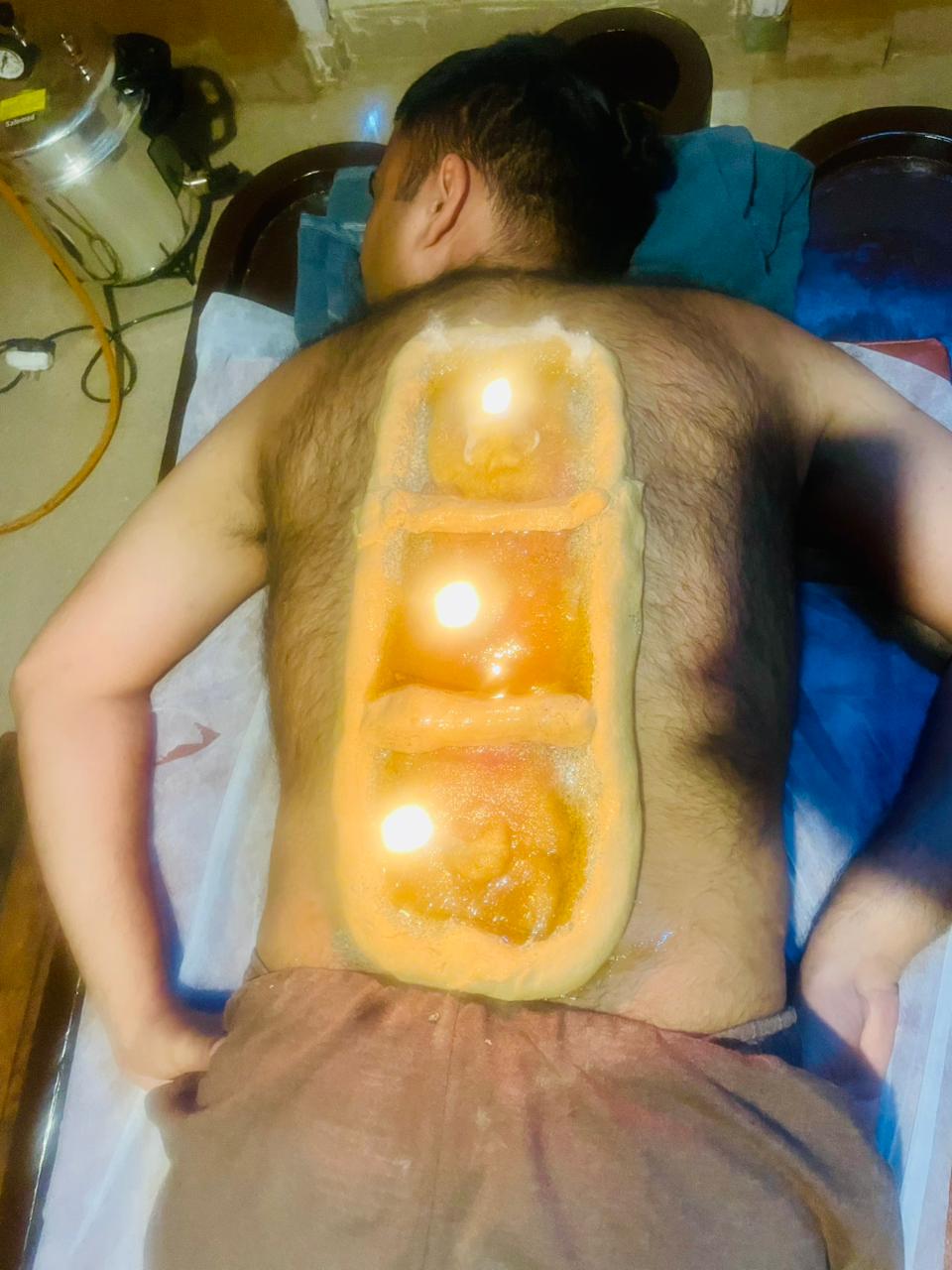
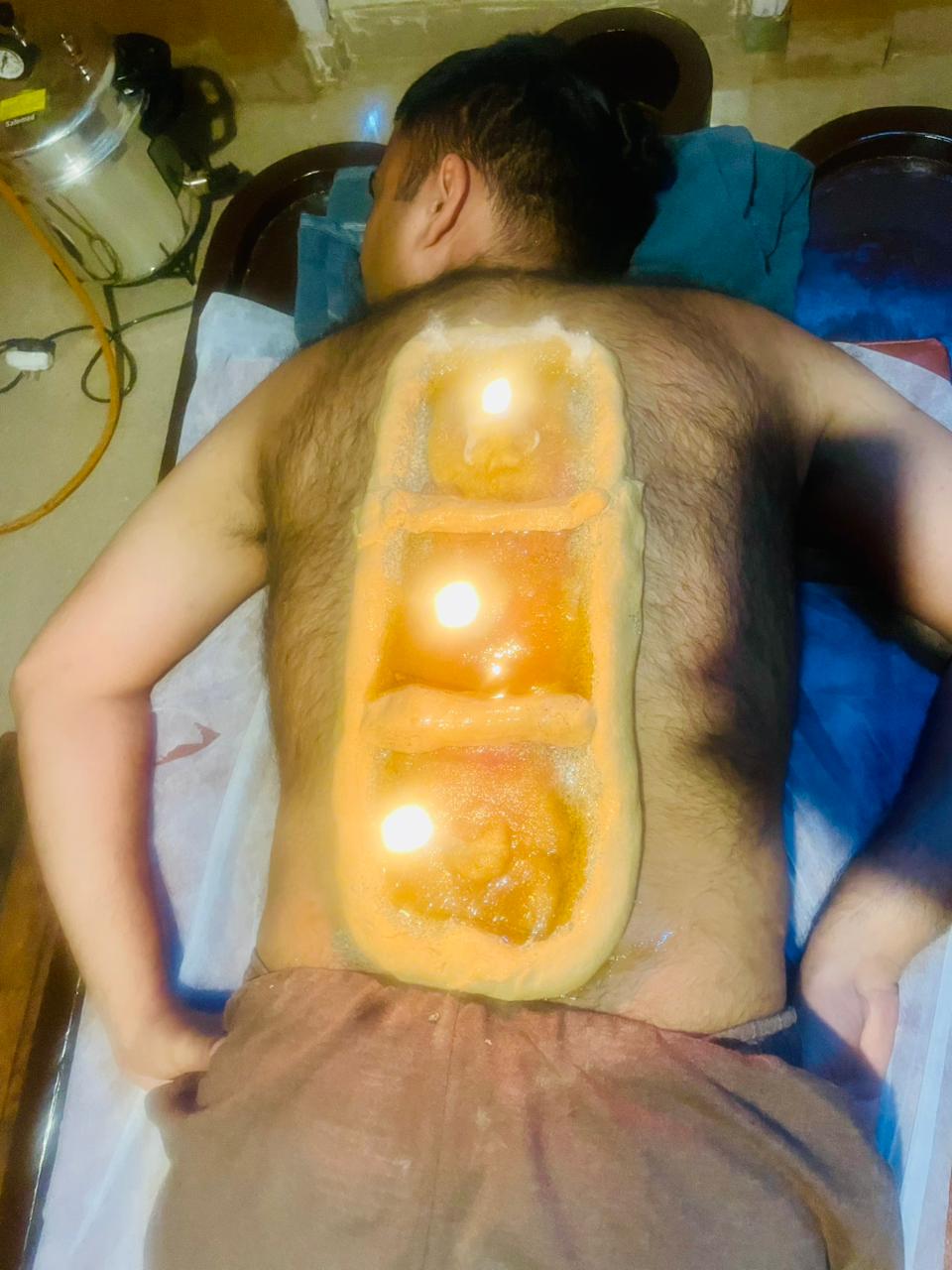
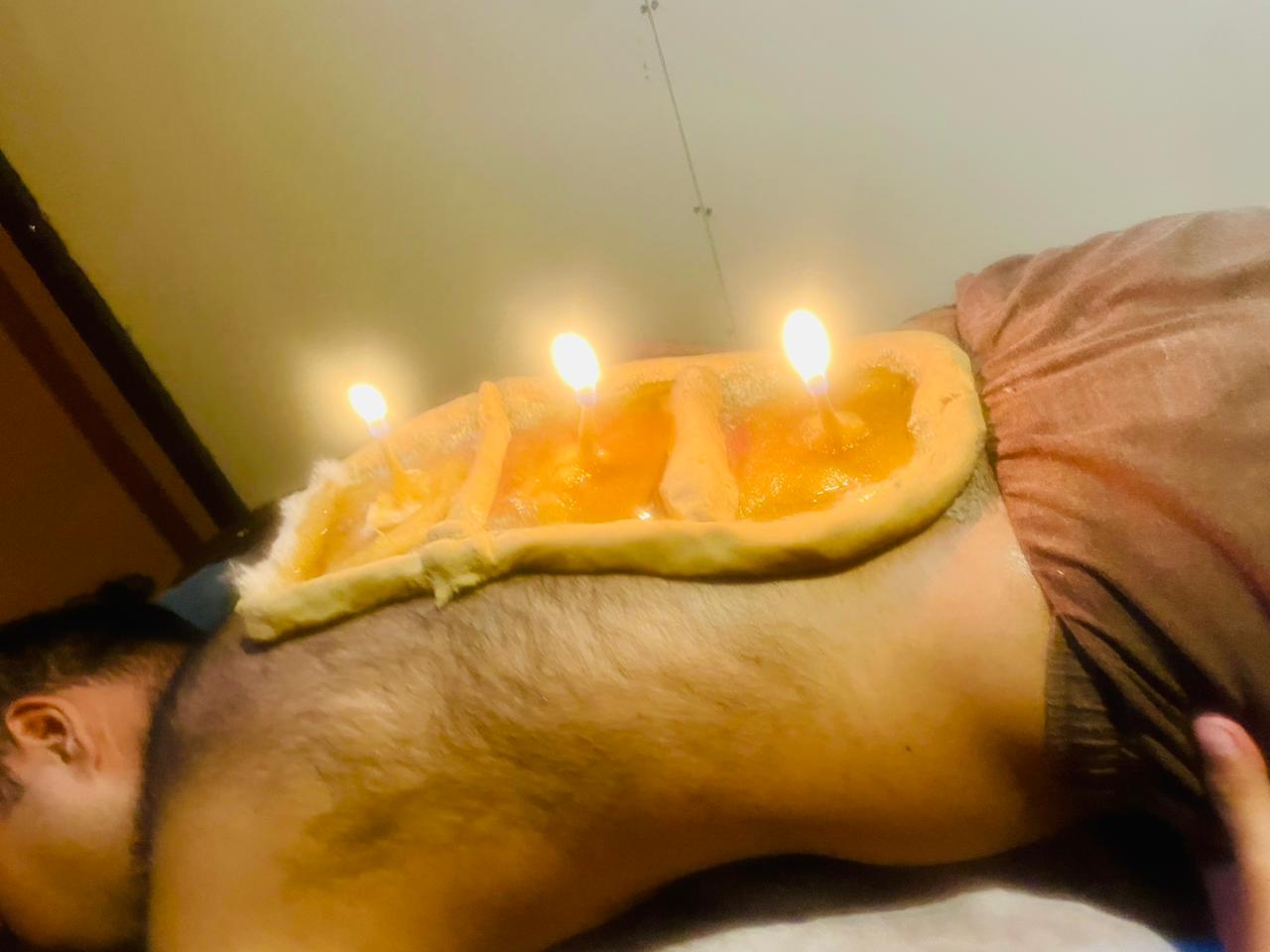
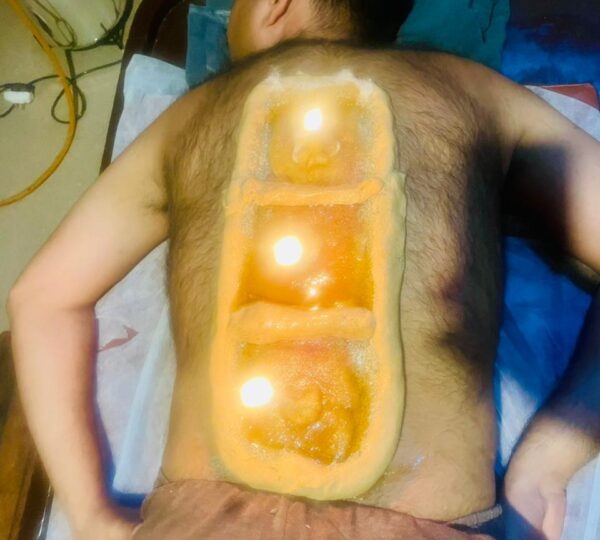
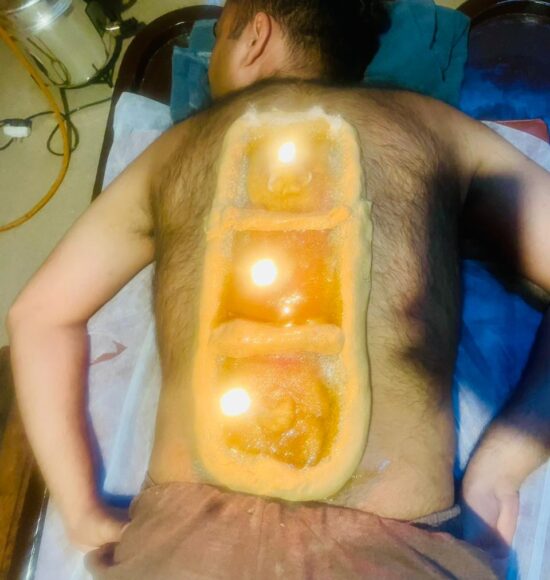
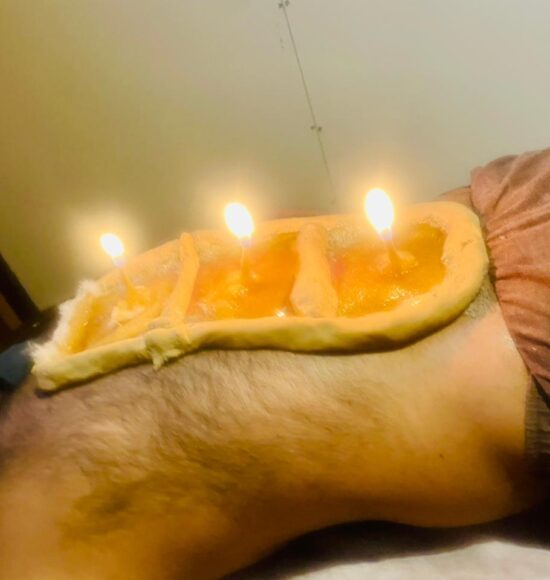
Kati Vasti is a traditional Ayurvedic therapy in which warm medicated oil is retained over the lower back within a dough ring made from black gram or wheat flour. This treatment is commonly used to ease lower back tension and discomfort.
Benefits: It may help reduce stiffness, relax muscles, improve flexibility of the lower spine, and support strength in the surrounding tissues.
Contraindications: This therapy should be avoided in cases of open wounds or skin injuries on the back. It is also not advised during pregnancy or for individuals with osteochondritis unless guided by a qualified practitioner.
Naranga Kizhi
Naranga Kizhi
Naranga Kizhi is a specialised heat therapy often used for cervical spondylosis, frozen joints, and muscular stiffness. Warm herbal pouches filled with fried lemon pieces and coconut scrapings are gently applied to affected areas.
Benefits: It may help relieve rheumatoid arthritis, neck pain, lower back pain, spondylitis, muscle cramps, and joint stiffness while improving mobility.
Contraindications: This treatment should be avoided during pregnancy, menstruation, fever, or severe weakness. Individuals who regularly consume alcohol should seek medical advice before undergoing the therapy.
Nasya
Nasya
Nasya is a cleansing therapy in which medicated oils or herbal preparations are administered through the nostrils to purify and nourish the areas above the neck. It helps moisturize the nasal passages and is believed to support the proper functioning of the senses and mind.
Benefits: Nasya may help improve sensory functions, support head health, and provide relief from migraines, chronic headaches, sinus congestion, and ear, nose, and throat problems. It is also traditionally associated with promoting healthy hair growth and slowing signs of premature ageing.
Contraindications: This therapy should be avoided during pregnancy, menstruation, active bleeding, fever, infectious illnesses, severe acute conditions, asthma attacks, heart emergencies, or intense pain episodes.
Netra Seka
Netra Seka
Netra Seka is an Ayurvedic eye therapy in which a continuous gentle stream of medicated herbal liquid is poured over closed eyes from a specific height for a set duration. It is mainly used to refresh, cleanse, and soothe the eyes.
Benefits: This treatment may help relieve itching, burning, dryness, excessive watering, redness, eye strain, conjunctivitis, and blepharitis while promoting overall eye comfort.
Njavara Theppu
Njavara Theppu(Anna Lepanam)
Anna Lepanam: This therapy uses a warm paste made from medicated rice, applied to the body or specific areas below the neck to encourage sweating and support healing. It is known to help improve circulation, nourish tissues, and reduce weakness. Often used for muscular disorders, paralysis, arthritis, debility, and vascular conditions.
Avoid If: Not advised in cases of active bleeding or haemorrhage.
Abhyanga: A traditional Ayurvedic full-body massage using warm herbal oils to relax the body and calm the mind. It helps reduce stress, improve circulation, nourish the skin, ease muscle tension, and support better sleep and energy.
Avoid If: Should be avoided during pregnancy, menstruation, fever, cold, indigestion, diarrhoea, or severe exhaustion.
Njavarakizhi
Njavarakizhi
Njavarakizhi is a traditional Ayurvedic sweating therapy in which a special medicinal rice called Njavara is cooked with milk and herbs, tied into small pouches, and gently massaged over the body.
Benefits: It may help reduce pain, swelling, and stiffness in joints, improve circulation, strengthen muscles and tissues, and support recovery in conditions like arthritis, sciatica, frozen shoulder, and cervical discomfort.
Contraindications: This treatment is generally avoided during fever or in individuals with tuberculosis.
Pizhichil
Pizhichil
Pizhichil is a traditional Ayurvedic therapy in which warm medicated oil is poured continuously over the body while gentle massage is performed at the same time. This treatment combines heat and massage to promote relaxation and healing.
Benefits: It helps improve muscle strength, supports the nervous system, enhances blood circulation, reduces stress, boosts immunity, and may assist recovery in conditions like arthritis, rheumatic disorders, paralysis, and high blood pressure.
Contraindications: It is generally not recommended for individuals experiencing bleeding disorders, vomiting, or skin reactions such as urticaria.
Podi Kizhi
Podi Kizhi
Podi Kizhi is a traditional therapy where warm herbal powders are applied to affected or painful parts of the body using a cloth pouch. The herbs used are known for their soothing, anti-inflammatory, and restorative properties, making the treatment helpful for muscle and joint conditions.
Benefits: It helps strengthen muscles, improve joint mobility, reduce stiffness, and support recovery in conditions such as arthritis, gout, sciatica, frozen shoulder, and other musculoskeletal disorders.
Contraindications: This therapy should be avoided during pregnancy and in cases of fever, severe inflammation, uncontrolled diabetes, high blood pressure, fractures, varicose veins, or deep vein thrombosis.
Rakta Moksha
Rakta Moksha
Rakta Moksha is a traditional detoxification therapy that focuses on purifying the blood through the controlled removal of a small amount of impure blood. It may be carried out using surgical instruments or non-metallic methods such as leech application.
Benefits: It is considered helpful for certain chronic skin disorders like psoriasis, eczema, and vitiligo, as well as non-healing wounds, varicose veins, and some hair-related concerns. It is valued for both therapeutic and preventive purposes.
Contraindications: Due to infection risks, this therapy is performed only in limited situations by trained professionals. It should be avoided by pregnant women, children, anaemic individuals, and those with jaundice.
Sarvanga Takra Dhara
Sarvanga Takra Dhara
Sarvanga Takra Dhara is an Ayurvedic therapy in which a continuous flow of medicated buttermilk is poured over the body in a soothing manner.
Benefits: It may help in managing stress, improving sleep, reducing fatigue, supporting skin health, easing headaches, calming the nervous system, and providing relief in conditions such as psoriasis, migraine, hypertension, joint weakness, and certain neurological disorders.
Contraindications: This treatment is generally avoided in cases of chronic sinusitis, cold, vomiting, dizziness, or recent injury.
Shiro Abhyanga
Shiro Abhyanga
Shiro Abhyanga is a traditional Ayurvedic head massage using warm herbal oils, applied with gentle techniques over key pressure points of the scalp to calm the mind and relax the nervous system.
Benefits: It may help relieve tension in the head, neck, shoulders, and face, improve relaxation and sleep, support memory, reduce headaches, and promote healthier hair roots and scalp condition.
Contraindications: It is generally avoided during flu, cold, cough, fever, or acute respiratory conditions such as bronchial asthma.
Shiro Pichu
Shiro Pichu
Shiro Pichu is a traditional Ayurvedic therapy in which cotton or gauze soaked in medicated oil is placed on the crown of the head and secured with a cloth for a specific duration. It is commonly used to support scalp health and mental relaxation.
Benefits: Helpful for hair fall, dandruff, scalp irritation, headache, insomnia, facial palsy, memory support, and certain skin conditions such as eczema.
Contraindications: Usually avoided in cases of rhinitis, severe cold, or high fever.
ShiroDhara
ShiroDhara
Shirodhara is a traditional Ayurvedic therapy in which a steady stream of warm medicated oil, milk, or buttermilk is gently poured over the forehead. It is commonly used to calm the mind and promote deep relaxation.
Benefits: This treatment may help reduce stress, anxiety, sleeplessness, mental fatigue, and support better concentration, memory, and overall nervous system relaxation.
Contraindications: It is generally avoided in cases of brain tumors, recent neck injuries, cuts or wounds on the scalp, fever, acute illness, nausea, vomiting, severe weakness, and during the third trimester of pregnancy.
Shirolepais
Shirolepais
Shirolepa is a well-known Ayurvedic therapy in which medicated oil and a herbal paste are applied to the scalp. The paste is placed around the head while a small opening is left in the centre, where warm medicated oil is retained for a specific duration.
Benefits: It is commonly used to calm the nervous system and may help with stress, insomnia, anxiety, headaches, scalp conditions, dandruff, hair fall, premature greying, and sinus-related discomfort.
Contraindications: This treatment is generally avoided during fever, severe cold, acute sinus infection, or rhinitis.
Shirovasti
Shirovasti
Shirovasti is a traditional Ayurvedic therapy in which warm medicated oil is retained on the head for a specific duration using a specially designed cap. The oil is gently heated before application to provide soothing and therapeutic effects.
Benefits: It is commonly used for head numbness, stress-related issues, insomnia, facial paralysis, cervical discomfort, certain neurological conditions, and to promote mental relaxation.
Contraindications: This treatment is usually postponed during fever, cold, cough, congestion, weakness, fatigue, jaundice, rhinitis, and menstruation.
Thalam
Thalam
Thalam is a traditional therapy in which medicated oil is retained on the head for a specific duration using a special cap. It is mainly used to calm the mind and support nourishment of the scalp and nervous system.
Benefits: Helpful for insomnia, migraine, stress, certain mental health concerns, paralysis, facial paralysis, hair fall, and dryness in the nostrils.
Contraindications: Not recommended for individuals with cold, congestion, or acute bronchial asthma.
Tharpanam
Tharpanam
Tharpanam is a traditional eye therapy in which medicated oil or ghee is carefully retained over the eyes for about 30 minutes. A soft herbal dough is shaped around the eyes to form a reservoir that holds the medicated liquid in place.
Benefits: It may help cleanse and soothe the eyes, support vision, strengthen eye tissues, and provide relief from headaches or certain eye discomforts.
Contraindications: This treatment is generally not advised for individuals experiencing dizziness or giddiness.
Udvarthanam
Udvarthanam
Udvarthanam is a traditional Ayurvedic therapy that uses dry herbal powders in a vigorous massage to support weight management, reduce excess body fat, and stimulate metabolism.
Benefits: It may help with obesity, poor circulation, oily skin, and certain mobility-related conditions. It is also known for exfoliating the skin, improving complexion, relieving stress, and promoting relaxation.
Contraindications: This treatment should be avoided by pregnant women, infants, individuals with cuts or wounds, and those with skin conditions such as eczema or psoriasis.
Upanaha
Upanaha
One of the four forms of Swedana, this therapy is a localized heat treatment used to reduce pain, swelling, and stiffness in joints or specific body parts. A warm herbal paste is applied to the affected area, then covered with leaves and wrapped securely with cloth or bandage. The combined effect of heat and herbs helps relax muscles and ease discomfort.
Benefits: It reduces stiffness, heaviness, and cold sensations while promoting sweating. It is commonly used for conditions such as arthritis, bursitis, frozen shoulder, and tennis elbow.
Valuka Sweda
Valuka Sweda
Valuka Sweda is a heat therapy in which warm sand is tied in a cloth pouch and applied to affected joints or body areas to reduce pain, swelling, and stiffness.
Benefits: Commonly used for heel pain, rheumatoid arthritis, thigh and leg stiffness, sciatica, and some neurological conditions.
Contraindications: Should be avoided in cases of diabetes, high blood pressure, varicose veins, deep vein thrombosis, fractures, fever, severe inflammation, burns, excessive thirst, alcoholism, and anaemia.
Vamana
Vamana
Vamana is a cleansing therapy used to eliminate excess Kapha (mucus-related toxins) from the body and respiratory passages through carefully induced therapeutic vomiting. It helps clear the sinuses and may reduce congestion, wheezing, and breathing difficulty.
Benefits: This therapy may improve digestion and metabolism and is traditionally used for conditions such as asthma, chronic cough, certain skin disorders, sinus issues, gastritis, and mucus-related imbalances.
Contraindications: It is generally avoided in children, elderly individuals, pregnant women, people with obesity, heart conditions, or those experiencing internal bleeding.
Virechana
Virechana
Virechana is a cleansing therapy that helps eliminate excess heat and metabolic waste from the liver, gallbladder, and digestive system through the controlled use of herbal purgatives. The medicines are administered in measured doses according to the individual’s condition.
Benefits: It may create a feeling of lightness, improve appetite, support digestion, regulate metabolism, and assist in managing certain skin conditions such as psoriasis, eczema, and dermatitis. It is also traditionally used for chronic fever, diabetes, asthma, acidity, headaches, joint issues, and some gynaecological concerns.
Contraindications: This treatment is generally avoided in people with weak digestion, rectal bleeding, severe constipation, diarrhoea, or those recovering from a recent fever.